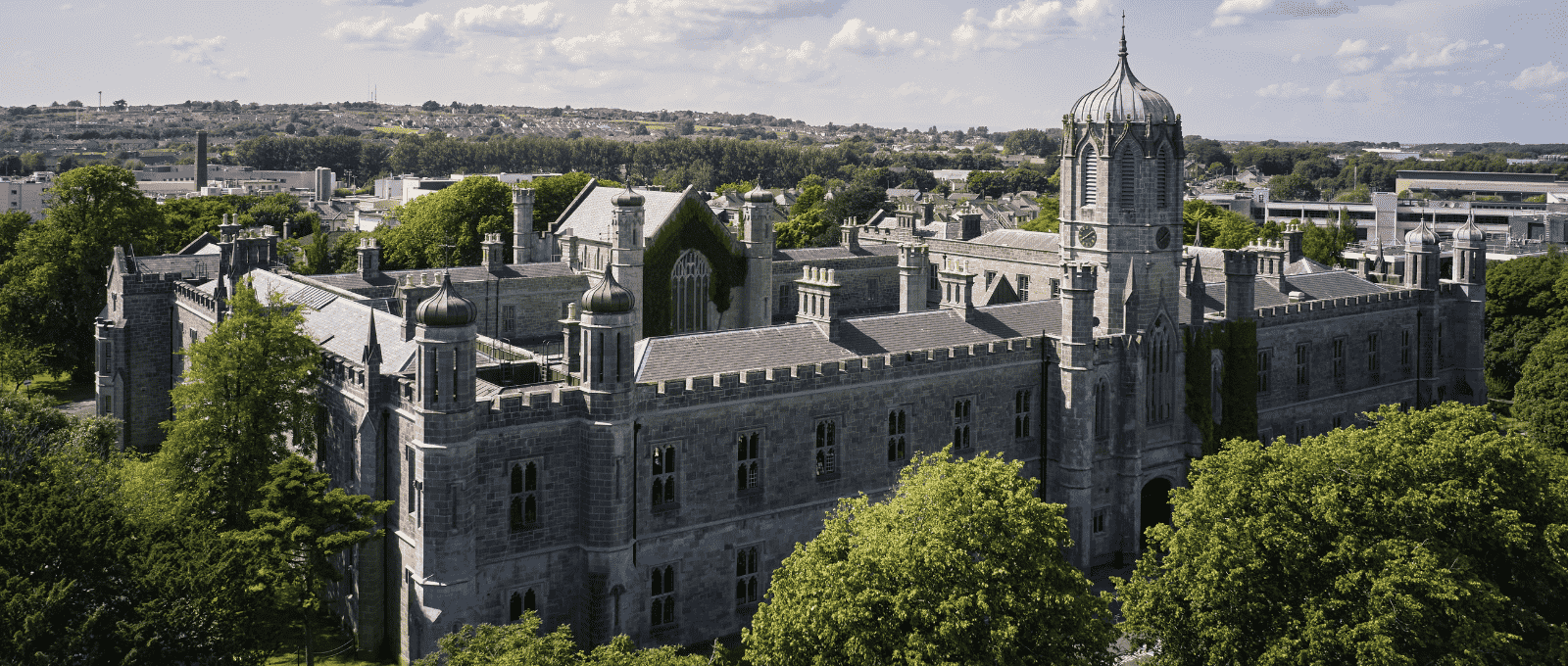
The Irish Times this week reported on proposals at the University of Galway to discontinue the long-standing Joint Honours Arts degree within the College of Arts, Social Sciences and Celtic Studies and replace it with a new suite of thematic programmes. The article characterises the situation as “urgent” and frames the restructuring primarily as a response to declining demand and the need for clearer employment pathways.
IFUT does not accept the characterisation of this issue as an “urgent” crisis in Arts education.
Structural reform of this scale requires careful consideration and meaningful engagement with academic staff. Framing the debate in terms of urgency risks narrowing discussion before the broader policy and funding context has been properly examined.
As we have set out in our correspondence to the College, Arts, Humanities and Social Sciences are foundational disciplines. They cultivate critical thinking, ethical reasoning, linguistic and cultural competence, historical awareness and civic engagement. They underpin education, public service, media, the creative industries and much of the wider knowledge economy. These strengths are central to the public mission of the university.
Student application patterns do not emerge in a vacuum. Over the past decade, national higher education policy and funding frameworks have strongly emphasised STEM and designated priority skills areas. While these investments have delivered important national benefits, sustained policy signalling inevitably shapes student choice and public perception.
This is not a question of Arts versus STEM. A strong and balanced university system depends on both. Scientific and technological progress relies not only on technical expertise but also on the ethical, communicative and analytical capacities developed within Arts and Humanities.
We are also concerned about the increasing marketisation of higher education, where programmes are evaluated primarily through recruitment metrics and short-term labour market alignment. Universities must of course ensure sustainability, but they also have a responsibility to protect disciplinary depth, intellectual diversity and long-term scholarly capacity. Reducing higher education to a narrow economic instrument risks diminishing its broader social and democratic role.
The proposed changes at University of Galway represent a significant structural shift for staff and students alike. Engagement must therefore be meaningful, transparent and genuinely open.
IFUT will be holding a general meeting of members in Arts and related disciplines in the coming days as part of our ongoing engagement with this process.
At moments of major institutional change, collective representation matters. If you are not yet a member of IFUT, now is the time to join and ensure your voice is part of shaping the future of Arts education and the wider university system.